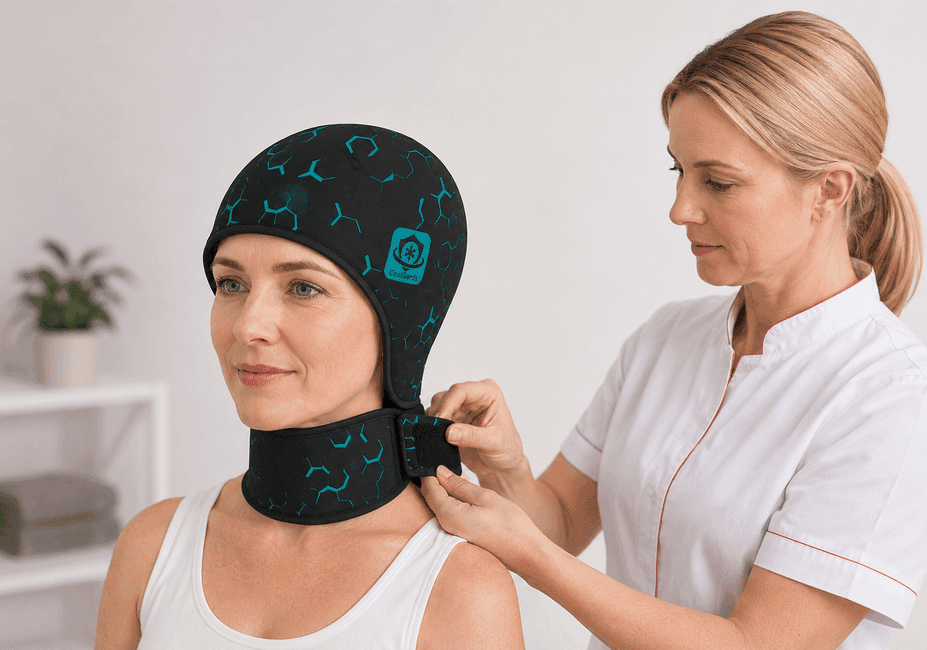
What Is Scalp Cooling Therapy?
Scalp cooling, also known as cold cap therapy, is a non-invasive and drug-free method designed to help reduce hair loss caused by chemotherapy treatment.
Hair loss is one of the most emotionally challenging side effects of cancer treatment. Studies have shown that some patients even consider delaying or refusing chemotherapy due to fear of losing their hair. Today, scalp cooling has become an increasingly recognized solution to help patients maintain not only their hair, but also their confidence and quality of life during treatment.
More oncologists and cancer centers around the world now recommend scalp cooling as part of supportive cancer care.
Different Types of Cold Cap Systems

There are two main types of scalp cooling systems used during chemotherapy treatment:
1. Manual Cold Cap Systems
Manual cold cap systems use pre-cooled gel caps that are changed regularly during treatment to maintain the correct temperature.
One of the major advantages of manual systems is flexibility. Patients can:
- Move around freely
- Visit the bathroom
- Continue cooling after leaving the clinic
- Receive extended post-infusion cooling when needed
Manual systems have been used successfully for many years and are often preferred because they can maintain colder temperatures and allow longer customized cooling protocols.
2. Machine-Based Scalp Cooling Systems
Machine systems circulate coolant through a cap connected to an electrical cooling unit.
These systems are more automated and do not require cap changes during treatment. However, because the patient remains connected to the machine, mobility is more limited during therapy.
How Does Scalp Cooling Work?
Cooling caps are designed to lower the temperature of the scalp before, during, and after chemotherapy infusion.
The cold temperature causes blood vessels in the scalp to constrict, reducing the amount of chemotherapy drugs that reach the hair follicles. At the same time, cooling slows down the metabolic activity of the follicles, helping protect them from chemotherapy-related damage.
Patients typically wear the cooling cap:
- 50–60 minutes before chemotherapy
- Throughout the infusion treatment
- For a period after treatment depending on the chemotherapy regimen
This process helps many patients significantly reduce chemotherapy-induced hair loss.
Scientifically Supported Results
The clinical evidence supporting scalp cooling continues to grow. (https://pubmed.ncbi.nlm.nih.gov/38936283/)
A 2024 meta-analysis including 31 studies and more than 2,100 patients receiving taxane-based chemotherapy showed highly promising results:
- Approximately 61% of patients experienced less than 50% hair loss
- Hair preservation was significantly better compared to patients without scalp cooling
- Many patients reported improved emotional well-being and confidence during treatment
Scalp cooling has now been successfully used for more than 20 years across Europe, the United States, and Australia.